Alex Lehmann · 13 November 2026
Historic Landmark Store Marks Anniversary Through Hands-On Workshops Linking Honey and Wildflower Trails
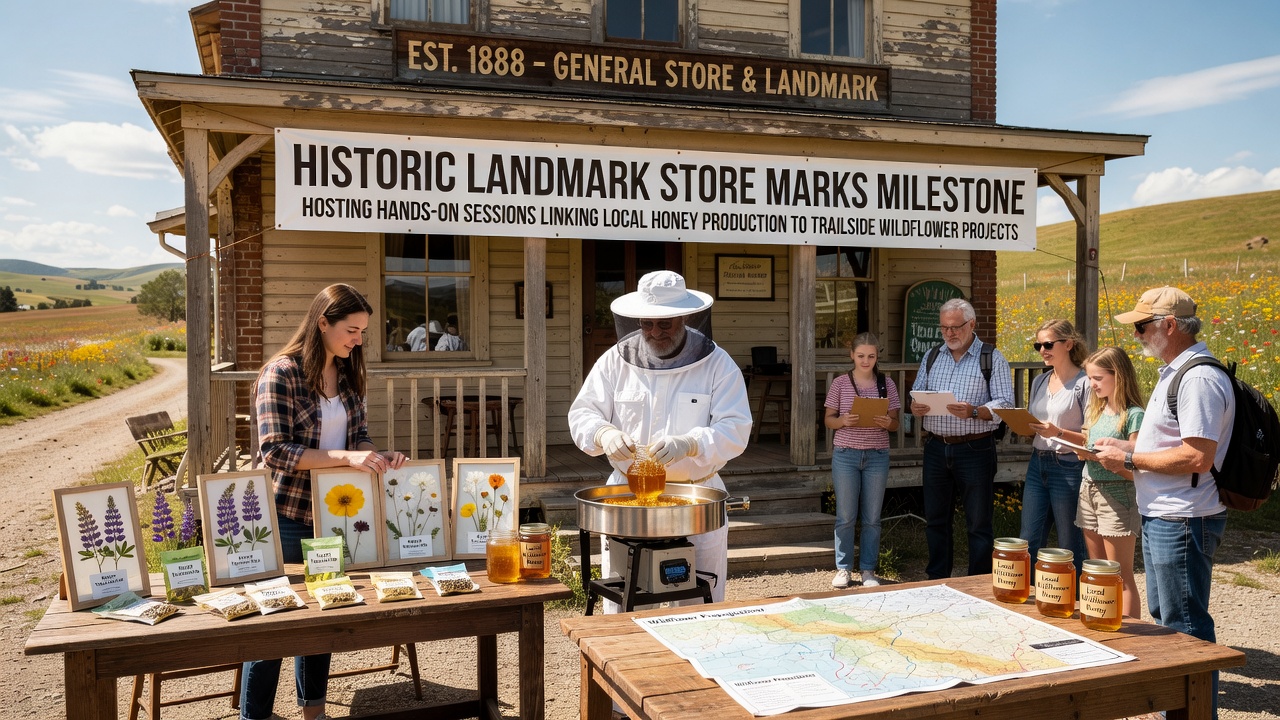
Valley residents gathered at the historic landmark store in late 2026 for a series of workshops that connected local honey production methods with trailside wildflower restoration efforts, and the events marked a significant anniversary for the establishment which opened its doors decades earlier. Organizers designed the sessions to demonstrate practical techniques for beekeepers and trail volunteers alike, while data from regional monitoring programs showed steady increases in pollinator activity along nearby paths.
Store History and Anniversary Context
The landmark store, established in the mid-twentieth century, has long served as a central point for agricultural supplies and community education programs in the valley region, and its anniversary celebrations in November 2026 highlighted ongoing partnerships with local producers and conservation groups. Records maintained by the store indicate consistent participation in habitat projects since the 1990s, with visitor logs reflecting thousands of attendees at educational events over the years. Those who studied the store archives note that early initiatives focused on basic beekeeping supplies, yet recent programs expanded to include direct links between hive management and native plant corridors.
Workshop Structure and Content
Participants rotated through stations that covered hive inspection procedures, nectar source identification, and seed collection methods for trailside plantings, while instructors from area farms provided step-by-step demonstrations using local equipment and specimens. Sessions ran over multiple weekends in November 2026, with registration data showing attendance from both longtime beekeepers and new volunteers interested in trail maintenance. Research indicates that hands-on formats like these increase skill retention compared with lecture-only formats, according to findings from agricultural extension services in multiple regions.
One station focused on extracting and testing honey samples to illustrate how specific wildflower species influence flavor profiles and yield volumes, and another covered the installation of interpretive signs along trails that mark pollinator habitats. Equipment demonstrations included the use of observation hives and portable seed spreaders, allowing attendees to practice techniques they could apply immediately on private land or public paths. Figures from similar programs in Canada reveal measurable gains in community-led planting efforts when stores host such integrated events.
Links Between Honey Production and Wildflower Projects
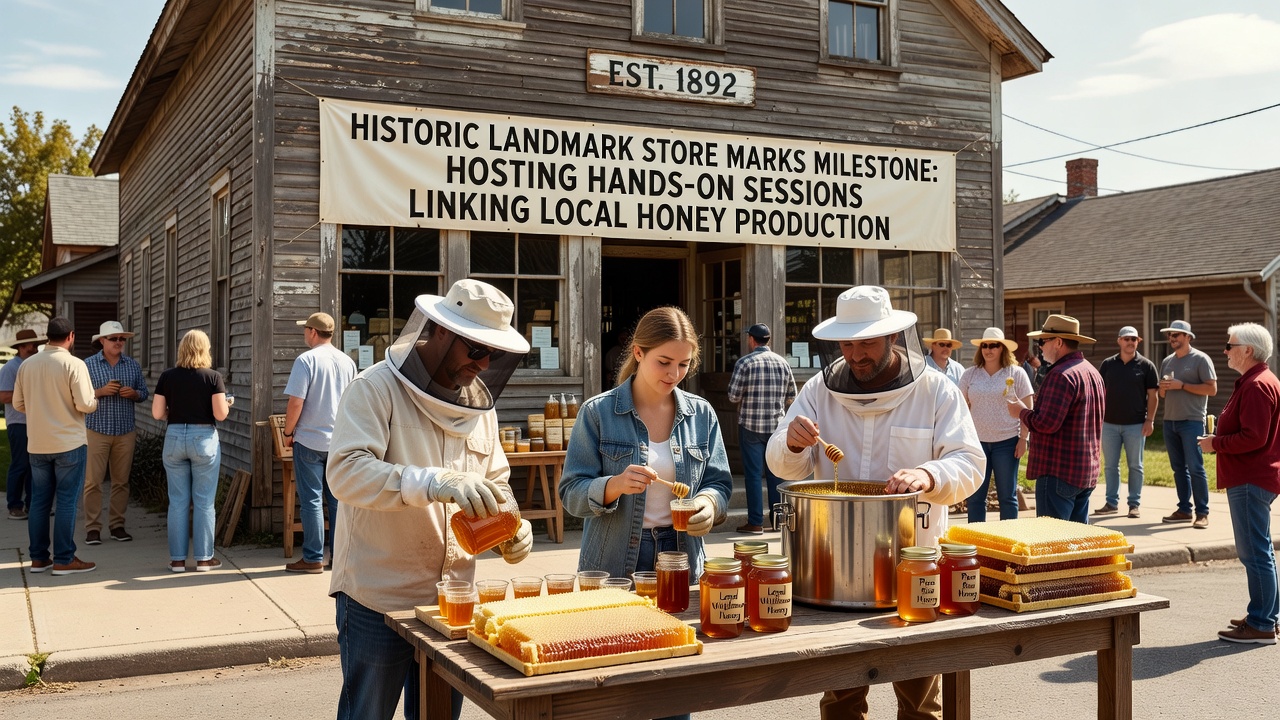
Local honey production depends on diverse forage sources that include the same wildflower species volunteers maintain along trails, and workshop leaders presented mapping tools that overlay hive locations with restoration sites to highlight these connections. Data collected by regional monitoring networks shows that trails with active wildflower plantings support higher bee visitation rates during peak bloom periods, which in turn correlates with improved honey stores reported by participating beekeepers. Experts have observed that coordinated efforts between stores, producers, and trail groups create feedback loops where better habitat supports stronger colonies and increased educational interest.
Attendees learned to select plant varieties that bloom sequentially from spring through fall, ensuring continuous nectar availability, while also receiving guidance on soil preparation and invasive species removal along trail edges. These methods align with guidelines issued by the Australian Department of Climate Change, Energy, the Environment and Water for supporting pollinator corridors in mixed-use landscapes. Case examples shared during the workshops described how one nearby trail segment saw a documented rise in native bee sightings after three seasons of targeted plantings coordinated with local honey producers.
Broader Regional Participation and Outcomes
School groups and community organizations joined the November 2026 sessions, contributing to expanded networks that link neighborhood gardens with more distant reserve areas, and follow-up surveys indicated plans for joint planting days scheduled into the following year. Industry reports from research institutions such as those affiliated with USDA Agricultural Research Service pollinator studies document similar patterns where retail-hosted events accelerate knowledge transfer and on-the-ground action. Trail counters installed at several sites recorded increased foot traffic during bloom seasons, which organizers attribute partly to heightened awareness generated by the store programs.
Conclusion
The anniversary workshops at the historic landmark store established a repeatable model for integrating honey production education with trailside wildflower initiatives, and records from November 2026 show sustained interest that extends into future seasons. Continued monitoring by local groups will track changes in both hive productivity and plant diversity along the connected paths, providing quantitative benchmarks for similar efforts elsewhere.