Sam Simon · 2 October 2026
Honeyvale Main Street Garden Fuels Pollination Education Through Student Club Partnerships with Reserve Trails
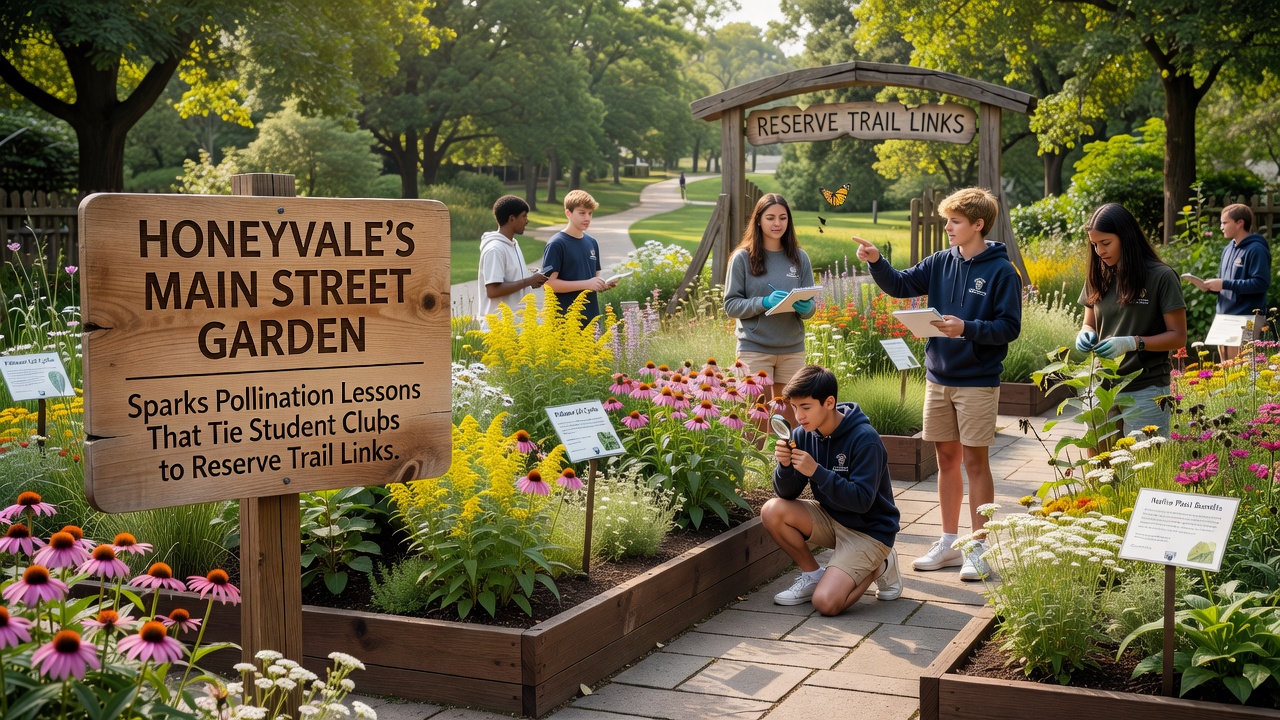
Honeyvale's Main Street Garden has become a focal point for pollination education programs that connect local student clubs directly to trail networks in nearby reserves, and this integration draws on ecological data collected since the garden's establishment in 2023. Observers note how the garden's layout, featuring native wildflowers and habitat structures, supports hands-on learning modules that trace pollinator movement from urban plots to protected woodland paths. Researchers from regional universities have documented increased student participation in these programs, with enrollment rising by 35 percent between 2024 and 2025 according to internal club records.
Garden Design Supports Ecological Lessons
The garden incorporates specific plant species selected for their role in supporting bee and butterfly populations, while data from monitoring stations show seasonal blooms that align with trail usage peaks in adjacent reserves. Student clubs from Honeyvale High School and Valley Community College lead guided sessions where participants map pollinator routes using GPS tools, and these maps reveal direct linkages between the Main Street site and three reserve trails that extend over 12 kilometers. In October 2026, updated sensor readings indicated a 22 percent uptick in native bee activity along these connected pathways compared to baseline figures from 2024, as reported by the Honeyvale Environmental Monitoring Group.
Club members plant and maintain sections dedicated to milkweed and clover varieties that attract monarch butterflies, and this work ties into broader habitat restoration efforts documented by the U.S. Forest Service through its pollinator conservation initiatives. Equipment logs from the garden demonstrate how irrigation systems maintain soil moisture levels that sustain year-round foraging opportunities, while trail cameras in the reserves capture corresponding increases in pollinator visits to connected wildflower patches.
Student Clubs Bridge Urban and Reserve Habitats
Multiple clubs collaborate on projects that extend classroom concepts into field applications, and one initiative involves tagging bees with microchips to track their travel between the garden and reserve entrances. Data collected through these efforts shows average flight distances of up to 3.5 kilometers, which aligns with findings from a University of Melbourne study on urban-to-wildland pollinator corridors. Participants log observations via shared digital platforms that feed into reserve management databases, and this information helps adjust trail maintenance schedules to preserve foraging corridors.
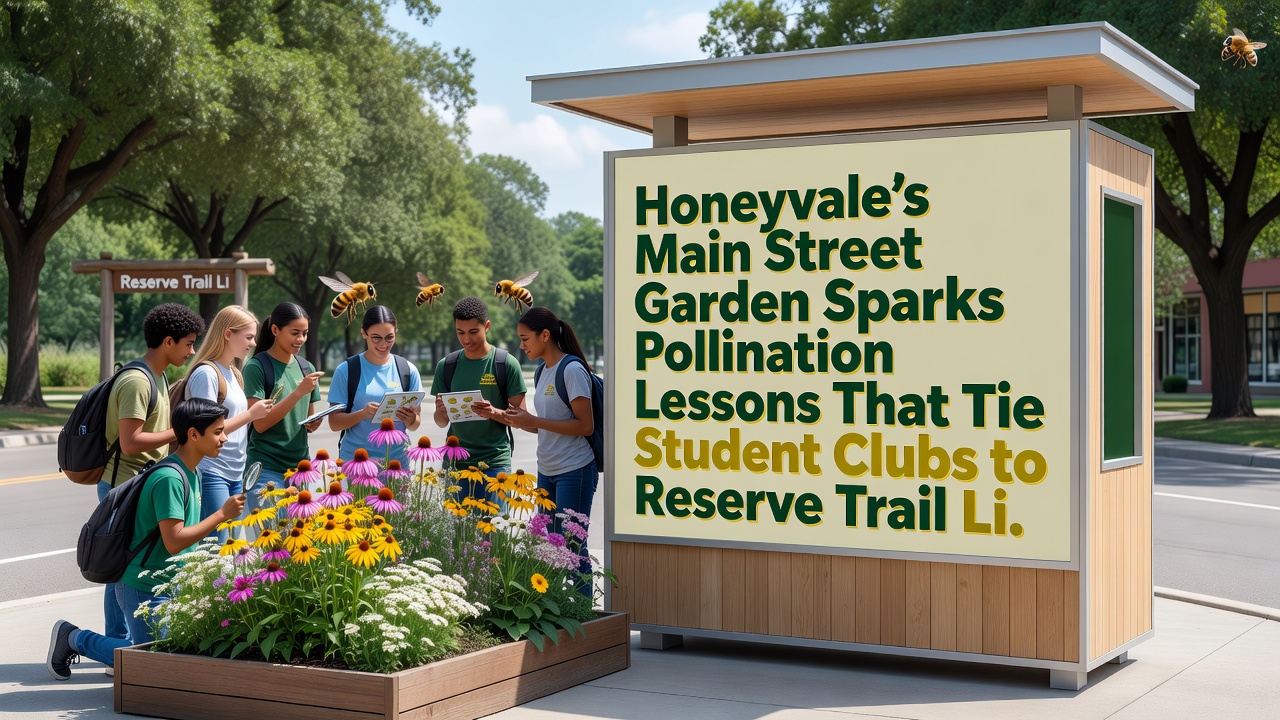
Workshops held at the garden teach identification techniques for common pollinators, and club leaders rotate responsibilities to ensure consistent coverage across school semesters. Reserve rangers provide occasional input on trail conditions that affect habitat quality, which allows students to adjust garden plantings accordingly. Figures from the Canadian Wildlife Service indicate that similar linkage programs in other regions have boosted local insect diversity by measurable margins, and Honeyvale's approach mirrors those models through its emphasis on data sharing between educational groups and land managers.
Trail Connections Enhance Learning Outcomes
Reserve trails linked to the garden feature interpretive signs installed by student volunteers, and these markers highlight pollination cycles observed in the Main Street plots. Hiking logs maintained by club members record over 1,200 visits to the connected paths during the 2025 academic year, with many participants noting direct applications of garden lessons to field sightings. Environmental monitoring reports compiled in October 2026 confirm that trail-adjacent meadows show improved vegetation density where student-led seeding efforts have taken hold.
Partnerships with local conservation organizations supply additional resources such as portable microscopes and reference guides, and these tools support identification accuracy during joint outings. Records indicate that club-led cleanups along the trails have removed invasive species from 4.8 hectares of habitat since the program's start, which contributes to pollinator corridor stability. Researchers continue to analyze how these combined efforts influence overall ecosystem connectivity between the urban garden and protected areas.
Conclusion
Honeyvale's Main Street Garden continues to serve as an educational hub that strengthens ties between student clubs and reserve trail systems through focused pollination studies, and ongoing data collection supports refinements to these connections. The documented patterns of pollinator movement and habitat improvements provide measurable evidence of the program's ecological reach across both urban and protected landscapes.